
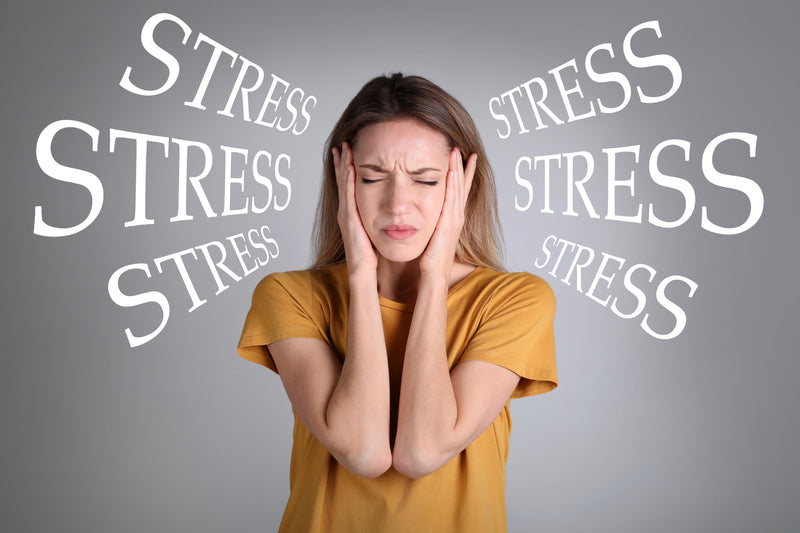
Life is full of stressful events that can profoundly impact both our mental and physical health. From personal losses to significant life changes, these events can trigger a cascade of emotional responses, such as guilt, shame, anger, and sadness. These emotions don’t just affect our minds—they can also manifest physically, particularly on our skin. This connection is evident in the development of skin conditions like psoriasis, eczema, and acne following stressful experiences. Let’s explore how emotional stress can lead to skin issues, supported by evidence-based research and real-life examples.
The Impact of Stressful Events on the Skin
When we encounter stressful events, our bodies respond by activating the hypothalamic-pituitary-adrenal (HPA) axis, which results in the release of stress hormones like cortisol. While cortisol is beneficial in acute stress situations, chronic elevation of this hormone can have detrimental effects, including on our skin.
1. Stress and Psoriasis: Psoriasis is an autoimmune condition where the skin cells multiply faster than normal, leading to red, scaly patches. Stress is a well-known trigger for psoriasis flare-ups. The link between stress and psoriasis is due to the immune system’s response to stress hormones, which can exacerbate inflammation and autoimmunity.
2. Stress and Eczema: Eczema, or atopic dermatitis, is characterized by inflamed, itchy skin. Stress can disrupt the skin barrier, making it more prone to irritation and flare-ups. Studies have shown that stress management can significantly improve eczema symptoms.
3. Stress and Acne: Acne can be aggravated by stress through increased sebum production, inflammation, and hormonal changes. Stressful events can lead to breakouts, creating a cycle of stress and skin issues.
Real-Life Example: The Divorce and Psoriasis Connection
Personal experiences provide powerful insights into the stress-skin connection. For instance, when I went through a divorce, I experienced intense emotions of guilt, shame, anger, and sadness. These feelings overwhelmed me and took a toll on my mental health. About two months after the separation, I developed psoriasis. The emotional turmoil I was experiencing manifested physically as red, scaly patches on my skin.
It wasn’t until I began to address and release these negative emotions that my skin started to improve. Through meditation, mindfulness practices, and emotional healing, I managed to let go of the guilt, shame, anger, and sadness associated with my divorce. Remarkably, as my emotional health improved, so did my psoriasis. My skin cleared up, highlighting the profound connection between emotional well-being and skin health.
Evidence-Based Research on Stress and Skin Conditions
Research supports the link between stressful life events and the onset of skin conditions. A study published in the Journal of the American Academy of Dermatology found that emotional stress significantly worsens the severity of psoriasis. Similarly, a study in Acta Dermato-Venereologica reported that psychological stress is a major trigger for eczema flare-ups.
A comprehensive review in the Journal of Clinical and Aesthetic Dermatology highlighted that stress management techniques, such as cognitive-behavioral therapy (CBT), mindfulness, and relaxation techniques, can significantly reduce the severity of various skin conditions, including acne, eczema, and psoriasis.
Managing Stress to Improve Skin Health
Given the clear connection between stress and skin conditions, managing stress becomes crucial for improving skin health. Here are some practical steps to consider:
- Mindfulness and Meditation: These practices help in reducing stress levels by promoting relaxation and emotional balance.
- Therapy and Counseling: Professional help can be invaluable in addressing and processing negative emotions stemming from stressful events.
- Healthy Lifestyle: Regular exercise, a balanced diet, and adequate sleep are essential for maintaining both mental and physical health.
- Skin Care Routine: Maintaining a consistent skincare routine with gentle, non-irritating products can help manage symptoms and protect the skin barrier.
Conclusion
The connection between stressful events and skin conditions is profound. Our bodies store negative emotions like pain, anger, guilt, and shame, which can manifest as psoriasis, eczema, and acne. Addressing and managing these emotions through stress reduction techniques and emotional healing can lead to significant improvements in skin health. By understanding and acknowledging this link, we can take proactive steps towards both emotional and physical well-being, achieving healthier skin in the process.